Thursday, July 7, 2011

Sunburns & How To Prevent Them


Sunburns are burns on your skin caused from overexposure to ultraviolet (UV) light from the sun. Not very much time in the sun will cause your skin to burn -- you can develop a sunburn after only 30 minutes out in the sun.


The Cause of Sunburns
There are three types of ultraviolet rays. They are classified according to wavelength. Ultraviolet A (UVA) and ultraviolet B (UVB) rays are the only ones that affect you, while ultraviolet C (UVC) rays never reach the earth. Both UVA and UVB rays are responsible for damaging your skin, causing sunburn and premature aging of the skin, but UVB is more dangerous and can lead to skin cancer.

When the skin is exposed to ultraviolet light, the production of melanin is sped up. Melanin gives your skin its normal color is and is designed to protect your skin. Extra melanin creates the darker color of a tan. A tan is the body's first line of protection against sunburn and skin damage. The amount of melanin in one's skin is determined by your genes, but most people can't produce enough to protect themselves, and because the skin can't protect itself well enough, a sunburn is the result.

Unfortunately, certain people and regions are at more risk than others. The southern United States, regions around the Equator, and places with high altitudes generally offer a higher risk of being sunburned. In addition, light-skinned and fair-haired people can also have a higher chance of sunburn and skin damage. Certain drugs like antibiotics and birth control pills can also make the skin more sensitive to the sun.


How to Avoid Sunburns

SUNSCREEN! SPF 30 is best. Make sure to reapply every hour, and after activities that involve sweating or swimming where sunscreen can be diminished. Note: to get the SPF advertised on the bottle, you must use an ounce (about as much as a shot glass) or you aren't receiving the full benefits.

Avoid the Sun between 10 and 4, which is when the sun is at its strongest. Look for shade when you can.

Wear protective clothing, if it's possible (and not too hot outside) like long-sleeved shirts, hats, and sunglasses. That can be difficult when it's really hot, so applying the right sunscreen is important. If you're not sure which sunscreen is the best, Consumer Reports has a report on the four best sunscreens currently available on the market.

Thursday, April 14, 2011

Product of the Week!

Dermalogica Daily Microfoliant

This product has absolutely changed my skin! Most exfoliating products can't be used daily, as they tend to be harsh, but this one can definitely be used every day, even for dry, sensitive skin.

Daily Micro is a unique rice-based enzyme powder that you mix with water and gently massage into the skin. The powder dissolves and micro-foliates dead skin and debris, and accelerates cell renewal leaving skin smooth and soft.

Daily Microfoliant is formulated with a unique skin-brightening complex of bearberry, grapefruit and licorice extracts to help balance uneven skin pigmentation. It also contains a soothing blend of green tea, ginkgo and colloidal oatmeal to calm inflammation, leaving the skin extraordinarily clear and refreshed.


Wednesday, February 2, 2011

The Link Between Stress and Skin


While many factors can play a role in your skin's appearance and your complexion, one of the biggest concerns for your skin's health is STRESS. Your skin is one of the largest, most complex, hard-working and finely tuned parts of your body. So it's hardly surprising that the effects of stress may become vividly and often distressingly imprinted on its surface. Internal struggles and emotions will manifest themselves physically, usually on the face. More than a third of all patients who consult a dermatologist have emotional problems that turn out to be the main cause of disorders such as acne, eczema, psoriasis, and hives.


Stress causes hormones in your body to change – and these hormonal changes can lead to an outbreak of rashes, blemishes, and inflammation in the skin. Everyone, even kids, deals with stress to some extent. Identifying the source(s) of stress in your life, then looking at how you deal with stress are important factors to consider when coping with stress and anxiety. Although stress cannot be eliminated entirely, there are things you can do to reduce it.

HEALTHY WAYS TO RELAX AND RECHARGE
> regular workouts
> breathing exercises
> avoid people who stress you out
> learn how to say "no"
> take control of your environment
> spend some time in nature
> get a massage
> take a bath
> play with a pet
> LAUGH!

Sunday, January 23, 2011

The Importance of Exfoliation


Exfoliation is important because your skin is generating new cells all the time. However, these cells become old and die and need to be replaced with new healthy cells. The older we get, the slower this process becomes. When this process is slowed, it causes the old dead cells to build up on our skin. This is what gives our skin a dull, dry and rough appearance. Exfoliating removes the oldest built up cells and allows the new healthy cells to emerge, giving your skin a healthy, youthful, fresh look.

Exfoliation can be accomplished through chemical, physical, or mechanical means. Physical exfoliation can be achieved through physically sloughing off the dead skin cells with a scrub, such as a grainy substance that works on the surface of the skin. Mechanical exfoliation is usually done by means of a facial brush, or other device that removes the old skin cells. Chemical exfoliation, which is deepest form of exfoliation, works by penetrating deeper into the skin and gently dissolving the protein bond that binds skin cells together. The dead skin is then shed easily.

You can exfoliate daily, depending on your skin type, and what products you are using, but keep in mind that while exfolation is important in your skin care routine, it can also be detrimental to the skin as well. Over-exfoliation can strip your skin of the essential oils and moisture that it needs to stay healthy, jeopardizing the healthy, natural pH of the skin, which is what your skin needs in order to keep that fresh, vibrant look.

In the winter, especially, when our skin is drier due to lack of humidity in the air, exfoliation is important on our body as well. Using a body scrub or scrub brush in the shower can be helpful. Ask me about body treatments!


Product Recommendations

Normal Skin
PCA pHaze 4 Gentle Exfoliant


Sensitive Skin
BeneFit Pineapple Face Polish


Oily Skin
Kiehls Pineapple and Papaya Facial Scrub

Monday, January 3, 2011

Happy New Year!


Happy New Year! To kick-start the new year, I will be having monthly specials, mobile spa services, discounted facials & waxing services. I will also be doing product giveaways, so make sure you follow my blog and leave a comment!

Wishing you all great health and GREAT SKIN in 2011!

Thursday, December 9, 2010

Winter Skin & Makeup Tips


Are you wearing the proper shade of foundation? During the warm summer months, skin is typically darker. However, as we move towards cooler temperatures, most complexions tend to get a little lighter. This means a slightly lighter shade of foundation is needed. But this doesn't mean you have to look pale and pasty! Simply use bronzer and contour certain shapes of the area of the face for a natural glow. Apply bronzer in the shape of a capital cursive letter "E" to each side of the face. These are the areas where sun naturally hits the face, so by applying a little bit of bronzer to these areas, it will look natural and complement a lighter complexion. Use a highlighter to contour the brow bone and cheek bones.


Skin can also become dehydrated and dull-looking when the weather is cold and there is less humidity in the air. Combat lack-luster skin by keeping it properly moisturized and selecting makeup that will make skin look more vibrant. Consider transitioning from a matte foundation to something with a little more of a satin or dewy finish. Cream blushes are also a great alternative to pressed powder blushes.

If you need to address any post-summer skin care issues such as hyperpigmenation, now is the time. Brightening facials and peels are in demand this season! Call me for a complimentary skin care and makeover consultation!

Wednesday, November 24, 2010

Product of the Week!


Aveda Green Science Firming Eye Cream


The under-eye area is one of the most delicate areas of skin on the body, so it is important to strengthen and nourish it with a heavier cream than you would use for the rest of the face. Aveda Green Science Firming Eye Cream is a unique formula that combines all natural ingredients and peptides to minimize the appearance of fine lines, dark circles and puffiness. I personally like this one because it’s moisturizing enough without being too rich or heavy, which could cause milia. Also, with a lot of eye creams, they usually contain caffeine which has a stimulating effect that can cause stinging in the eyes. This one did not, which I particularly liked. Lightly tap it on with your ring finger on freshly cleansed skin after you have removed your makeup. A little goes a long way.

Wednesday, November 17, 2010

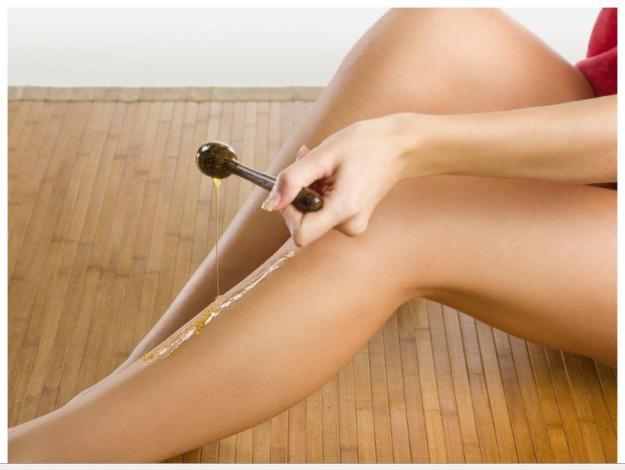
Do's and Don'ts of Waxing


So you’re thinking of getting a wax for the first time. What do you need to do to prepare? Whether its arms, legs, underarms, or bikini, there are a few tips you should keep in mind when getting ready for your first appointment.

Time of Month
Skin is usually more sensitive around the time of your period, and waxing can be more painful than usual. Try to avoid making your waxing appointment within 2-3 days either way (before or after) of your period to avoid unnecessary sensitivity.

Preparing the Skin
Take a shower and lightly exfoliate. Avoid harsh scrubs, as waxing itself will exfoliate the top layer of skin. Don’t use any lotion or other products, keeping the skin as dry as possible.

Hair Growth
For optimum results, you will need some hair growth. Too little hair and the wax doesn’t have anything to hold onto. Too long and it will hurt more than it needs to. 1/8th – 1/4th of an inch is best (think a grain of rice!)

Pain
Take an aspirin or Tylenol 30- 45 minutes before your appointment if you're concerned about pain. It does hurt, but I promise it’s worth it! I always say, “Once you wax, you’ll never go back!”

Post Waxing Care
* Avoid tight clothing in the area(s) you had waxed.
* Don’t touch! Although it can be tempting because it feels so soft and smooth, try to avoid touching freshly waxed skin, as this can encourage irritation or small pimples.
*Avoid the sun, saunas or steam rooms for the next two days.
*To prevent ingrown hairs, exfoliate daily using a washcloth or loofah in the shower, and a product such as Tend Skin.

Tuesday, November 2, 2010

Product of the Week!


Yes To Tomatoes Facial Mask

This clay mask is a setting mask, which means it will harden once its applied. It has little crystals in it that exfoliate the skin, which is perfect for this type of mask. It contains anti-oxidants which help fight free radicals. “Yes To Tomatoes” as part of the “Yes To Carrots” line, clears and purifies oily, acne-prone skin. (Note: if you have sensitive skin, this isn’t the right product for you, as it can be a little harsh.) It spreads easily and evenly with no lumps and dries pretty quickly. Unlike most other clay masks, this is easy to wash off with a little water and some gentle massaging. And it smells great too! (Not like tomatoes at ALL!) The ingredients are almost all natural (99.6% organic) and it is paraben free. This product is great for the price -- you can get it at Walgreens or CVS.

Winter Skin Care Tips


As temperatures fall, so do the leaves, and as weather conditions change, so should your skin care routine. Colder temperatures cause blood circulation to slow down, and as a result, your skin does not get enough nutrients & oxygen, so all the healthy, regenerative processes in your skin slow down as well.

Cleanse with mild soap
Switch to a cleansing milk or mild foaming cleanser, and avoid using harsh peels, masks, and alcohol-based toners or astringents. Use a hydrating mask rather than clay-based, which tends to draw moisture out of the face.

Choose an oil-based moisturizer
Find a moisturizer that's oil-based, rather than water-based, as the oil will create a protective layer on the skin that retains more moisture. While looking for a moisturizer to use during the winter months, look for humectants in the ingredients, which help attract moisture to the skin. Hyaluronic acid, glycerine, sorbitol, and alpha-hydroxy acids are a few good ones. (Tip: Avoid shea butter, as it can clog pores!)

Use a humidifier
Investing in a humidifier is one of the best and easiest things you can do for your skin. Even if you don’t use a heating unit inside your home, there is less humidity in the air in the winter months. Using a humidifier can do wonders for dry skin and even ease the sinuses. (Tip: Distilled water works best to keep both the air and the unit clean!)

Limit Hot Baths
While a hot bath may feel comforting and relaxing, the heat of a hot shower or bath actually breaks down the lipid barriers in the skin, which can lead to a loss of moisture. Limit hot showers, and use cooler water for cleansing the face.


Hands & Lips
Skin on the top of the hands is thinner than on the rest of the body. And since we tend to wash our hands frequently, it can become drier and chapped more easily. After washing, use a heavy cream, and wear gloves when you go outside.

For your lips, choose a petroleum-base, or one with shea butter, jojoba oil, or avocado oil.

Friday, October 15, 2010

Product of the Week!


This week's product is Dermalogica Barrier Repair.

This silicone-based moisturizer melts onto your skin to soothe, repair and protect skin from environmental aggressions. You can use under or over moisturizer/sunscreen help lock in moisture. It provides a smooth matte finish, which makes it great for use as a makeup base. Barrier Repair can also be used by men as an after-shave lotion to prevent irritation after shaving. Its unique anti-ozonate complex strengthens the skin's natural lipid barrier to prevent future free radical damage.

Suitable for all skin types and conditions, including hypersensitive skin and rosacea.

Available in retail and back bar sizes.

Thursday, October 14, 2010

Why Are Facials So Important?


One of the best things I can recommend to keep your skin looking and feeling its best would be getting consistent professional facials by a licensed esthetician. So why are facials so important? Besides promoting relaxation, having regular facials have many benefits, including delivering noticeable improvements to your skin tone, texture and appearance. For most people, a regular skincare routine consists of cleansing and moisturizing. Treating yourself to a facial once every 4 to 6 weeks can benefit your skin in many ways.

Deep Pore Cleansing
The first part of a facial is a deep pore cleansing. A licensed esthetician has access to products and equipment to that can assist in deeper cleansing of the skin without disrupting the skin’s natural barrier function, which has a balanced pH and oils & lipids that are essential to skin’s health.

Skin Analysis
The second portion of a professional facial is a thorough skin analysis. This is an important part of the facial, as this step will determine not only your skin type and any skin conditions you may have, this will also help your esthetician decide what products and treatments she will use for the rest of the facial. An esthetician is trained to “see” the skin with their fingers, so she will touch the skin as she looks at it under a magnifying lamp. While the skin analysis is being conducted, she will be asking questions and discussing with you what she sees.

Exfoliation
In step three, the outer layer of the dead skin will be removed. This is called exfoliation. Exfoliation is important because skin is generating new cells all the time. However, these cells become old and die and need to be replaced with new healthy cells. The older we get, the slower this process becomes. When this process is slowed, it causes the old dead cells to build up on our skin. This is what gives our skin a dull, dry and rough appearance. Exfoliating removes the oldest built up cells and allows the new healthy cells to emerge, giving your skin a healthy, youthful, fresh look.

Extractions
The next step of the facial is extractions. Any congestion of the pores will be removed, such as blackheads or whiteheads. Having extractions done by a licensed professional is important because they have been trained on how to remove these impurities and how to handle the skin afterwards. Having extractions performed will help keep the skin looking smooth and your complexion clear.

Massage
Finally, its time to relax! Massage is a very necessary part of the facial as it stimulates circulation and helps bring oxygen to the skin and promotes relaxation. Having a facial massage on a regular basis can lead to firmer, more radiant skin by minimizing fine lines and wrinkles, moisturizing, and releasing tension.

Mask
After the massage, your esthetician will choose a mask appropriate for your skin type. Masks are important because they target specific skin conditions. They can be soothing, calming, moisturizing, purifying, or stimulating and can work in different ways. Clay masks, for example, are good for removing impurities and excess oil from oily or acneic skin. Masks with aloe or alpha hydroxy acids work by penetrating deep into the skin for hydrating and anti-aging benefits.

Tone and Hydrate
As part of the last step of the facial, your esthetician will use a toner to restore the skin’s natural pH, and to help prepare the skin for proper absorption of moisturizer. After the toner, she will apply a moisturizer suited to your skin type. Moisturizer is imperative to any skin care routine, regardless of skin type, as it is putting much needed water back into your skin. Remember, even if your skin is oily, your skin still needs water. If your skin is oily, usually an oil-free moisturizer works best. Moisturizers work by putting water into the skin and slowing the evaporation of the skin’s moisture.

Once your treatment is complete, your esthetician will discuss with you what she noticed during the skin analysis and future skin care goals. She can help you choose products to use at home and recommend home care treatments so you can maintain the results of your facial.

Your face is the first thing people see when you walk into a room. Healthy skin is our body’s first line of defense against illness, bacteria, and disease, so taking care of it is extremely important. Skin is our body’s largest organ and it is responsible for protecting everything inside our body! A good skin care routine is just as important as eating a well-balanced diet, exercising regularly, and getting enough sleep. Call me to schedule a facial as soon as possible!

Tuesday, October 5, 2010

Product of the Week!


Each week I will feature one skin care or makeup product. Fellow skin care professionals and/or makeup artists, please feel free to chime in!

This week's product is Rhonda Allison Pumpkin Cleanser. This cleanser combines lactic acid and alpha hydroxy acids to exfoliate, hydrate, and nourish the skin. And it smells good too! Perfect for fall since its exfoliating properties will help remove dead skin cells damaged from the sun during summer months!

Acne


For my first official blog post, I wanted to talk about something that we can ALL relate to. Pimples. Blemishes. Breakouts. Acne. Whatever you want to call it, it’s not pretty, and we just want it to go away. For some, acne is embarrassing. For others, it can be irritating. But for some, acne and its effects can be devastating. Acne causes both psychological damage as well as physical damage. So how do we get rid of it? You can’t “cure” acne, but you can treat it. But before you can begin to treat acne, you must first understand it. Acne can present itself in any skin type - dry, oily, or sensitive.

Acne is caused by overactive oil glands in the skin and an accumulation of oil, dead skin cells, and bacteria, which leads to inflammation in pores. Your skin makes new cells every day. And every day they are shed. This process of cell renewal is on average every 28 days, and slows with age. A blackhead, or comedo, forms when dead skin cells build up inside the pore. They turn black due to lack of oxygen. The sebaceous gland within the skin is still producing sebum (oil) and since the pore is now clogged, it becomes infected and the result is an acne pustule, or blemish.

Although there is no cure for acne, there are treatments and lifestyle changes you can make that can help prevent breakouts and recurrence of the condition. The best thing you can do to try to treat acne is good home care.

Here are a few tips to help prevent and manage breakouts:

1 - Manage Stress
Stress causes hormones in your body to change – and these hormonal changes can lead to an outbreak of acne. Although stress cannot be eliminated entirely, there are things you can do to reduce it, such as regular workouts and breathing exercises.

2 - Good Home Care
Cleansing twice a day (morning and night) and exfoliating 2-3 times per week to remove excess dirt, oil, and dead skin from the surface to prevent a buildup which can clog pores. The use of masks weekly and the right moisturizer is also essential.

3 - Maintain a Healthy Lifestyle
This includes eating a balanced diet, regular exercise, and getting enough sleep. Although many people debate that diet has nothing to do with acne breakouts, I have to disagree. You are what you eat. Consuming foods high in vitamins and Omega-3 fatty acids and fiber help to cleanse the body, ridding it of toxins. Exercise is also shown to reduce stress levels which balance hormones, thus making breakouts less common. Adequate water intake is also extremely important to keep your body and skin hydrated and the digestive system working properly.

4 - Change Bedding and Towels Often
Oil from your hair can build up on pillow cases. Combined with other debris, dead skin cells, and sweat makes them an easy breeding ground for bacteria. Change pillow cases every other day, and when using towels to cleanse the skin, make sure not to use the same one more than once.


5 - Regular Physical Exercise
Get up and get going! When you sweat, it helps to purify your body by flushing out toxins through perspiration. People who are physically fit usually have radiant, glowing complexions.

6 - Stop Picking!
Picking or scratching at blemishes can actually push the bacteria deeper into the skin and make it worse. See a licensed esthetician so she can perform professional extractions.


Here are some product recommendations:


Murad Time Release Acne Cleanser – lightly foaming cleanser with 0.5% Salicylic Acid that is gentle enough for drier, mature skin

Dermalogica Daily Microfoliant – gentle microfoliant that can be used everyday for exfoliation

Dermalogica Overnight Clearing Gel – contains 2.0% Salicylic for spot treatment at night

Monday, October 4, 2010

WELCOME!

Welcome to my very first blog post! Please try to bear with me, as I have no clue what I am doing here in terms of "blogging." My name is Lane, and I just began my career as an Esthetician in Southern California. I have loved skin for as long as I can remember, and now I am finally channeling that passion through my work and this blog! Skin is so fascinating to me. You can cut it, scratch it, burn it, and it heals itself all on its own! Skin is the largest organ of the body, and plays a very important role in our body's function, so therefore its extremely important to take care of it! This blog will share tips, advice, and information on how to keep your skin healthy and looking good, as well as product selection & ingredient information. I love skin, it has been my passion for so many years and I am so excited to share my journey with you all!

This account is linked to my twitter page
 
~ The Skinnie ~ - Free Blogger Templates, Free Wordpress Themes - by Templates para novo blogger HD TV Watch Shows Online. Unblock through myspace proxy unblock, Songs by Christian Guitar Chords